Order by 12pm AEDT, Monday to Friday, for same-day shipping!
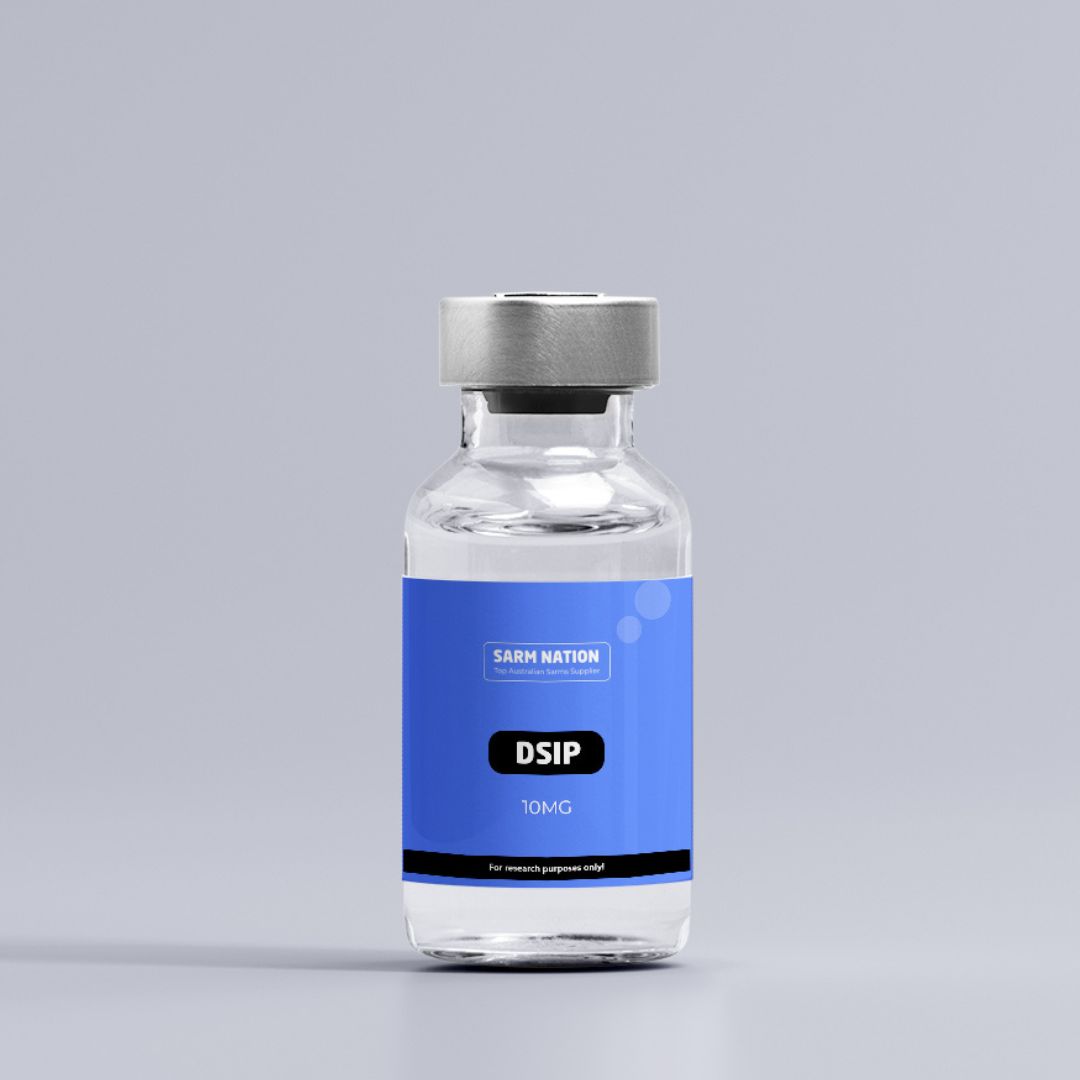
DSIP 10mg

$110.00

79 in stock (can be backordered)

By Buying 

3 Bottles

You can get 10% off

By Buying 

6 Bottles

You can get 15% off

By Buying 

9 Bottles

You can get 20% off

To get a discount, simply add products to the cart and continue to the checkout page, and the discount will automatically be applied.

DSIP Peptide: Delta Sleep Inducing Peptide for Sleep and Neuroendocrine Research

DSIP peptide, short for Delta Sleep Inducing Peptide, is a naturally occurring neuropeptide originally isolated from cerebral venous blood and later identified in human plasma, cerebrospinal fluid, and human breast milk. DSIP has been studied for several decades for its potential role in sleep regulation, circadian rhythm modulation, and endocrine regulation. Scientific research into DSIP focuses on its influence on slow wave sleep (delta sleep), sleep patterns in chronic insomniac patients, and neuroendocrine responses associated with stress and sleep deprivation. While findings across studies are mixed, DSIP remains a compound of interest due to its unique biological distribution and observed effects in both animal and human research models.

Product Summary Table

Peptide Name DSIP (Delta Sleep Inducing Peptide)
Amino Acid Sequence Trp-Ala-Gly-Gly-Asp-Ala-Ser-Gly-Glu
Molecular Weight 848.9 g/mol
Origin Naturally occurring neuropeptide
Form Freeze-dried synthetic peptide
Research Vial Format 10 mg
Country of Origin Australia
Storage Lyophilised: store cold and protected from light; Reconstituted: 2–8°C
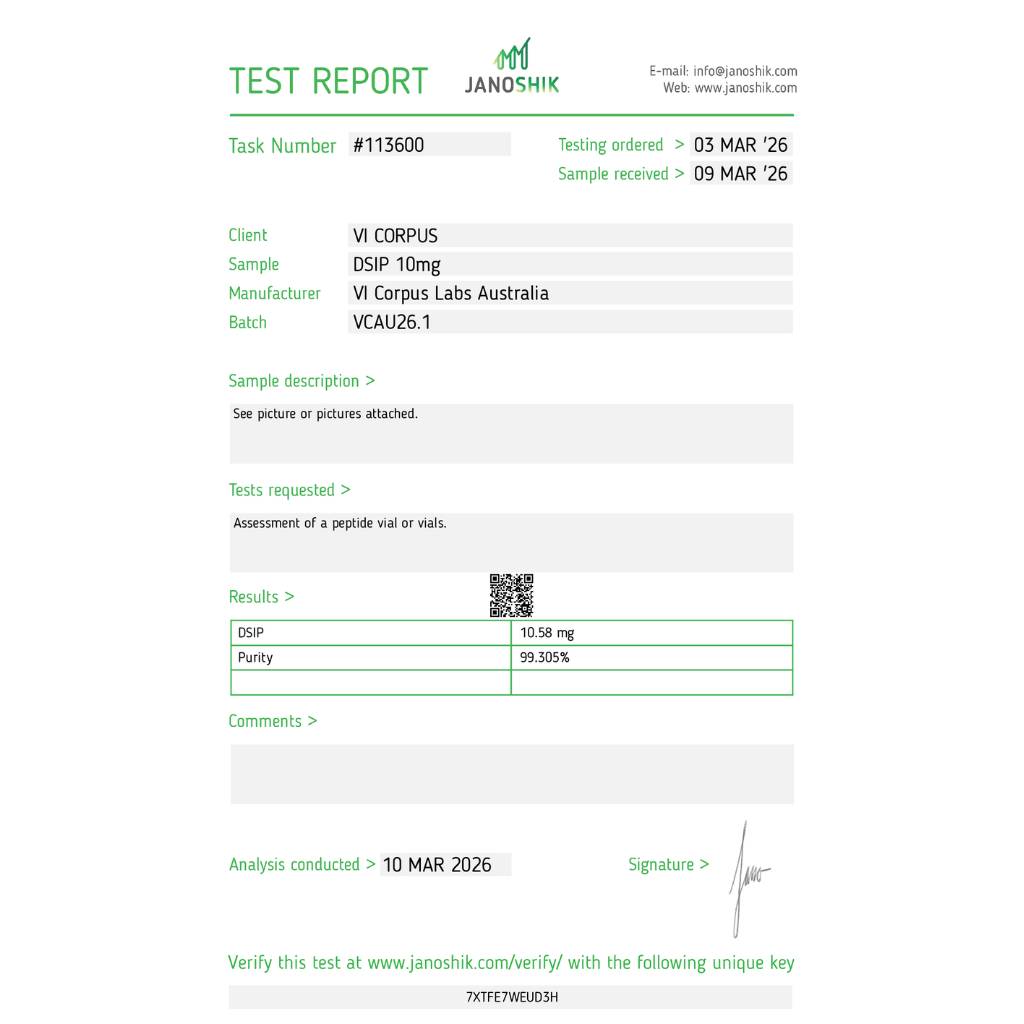
Standard Research Grade Purity ≥98 percent

In Vivo Research Benefits

DSIP has been evaluated in animal and limited human research models examining sleep and neuroendocrine regulation.
  • Modulation of slow wave sleep observed in certain sleep deprivation and circadian rhythm studies.
  • Sleep pattern normalisation reported in some studies involving chronic insomnia and emotional stress.
  • Neuroendocrine effects involving pituitary and hypothalamic signalling pathways.
  • Antinociceptive activity reported in animal models examining chronic pain and stress responses.
  • Reduced motor activity observed in select animal sleep and behavioural studies.

Benefits of DSIP Peptide

  • Sleep Regulation Research focused on delta sleep and circadian rhythm timing.
  • Potential Support for Sleep Quality investigated in chronic insomniac patient models.
  • Stress and Endocrine Interaction examined in emotional stress and neuroendocrine studies.
  • Pain Modulation Pathways explored in antinociceptive research.
  • Naturally Occurring Peptide with presence in human plasma and cerebrospinal fluid.

Studies and Additional Info

  • Double blind studies investigating DSIP in sleep disorders
  • European Journal of Pharmacology and European Neurology research on DSIP
  • Animal studies involving rabbit and rat brain sleep models
  • Clinical endocrinology research examining DSIP and circadian rhythm
  • Research into DSIP presence in human plasma and breast milk
Disclaimer: DSIP is supplied strictly for laboratory research purposes. It is not intended for human consumption or therapeutic use.

Frequently Asked Questions

What is DSIP studied for?

DSIP is studied for its potential role in sleep regulation, slow wave sleep, circadian rhythm modulation, and neuroendocrine signalling.

Does DSIP directly induce sleep?

Research suggests DSIP may influence sleep patterns and delta sleep under certain conditions, though results across studies are variable.

Is DSIP naturally found in the human body?

Yes. DSIP has been identified in human plasma, cerebrospinal fluid, and breast milk.

Is DSIP linked to pain research?

Yes. Some animal studies report antinociceptive effects and reduced motor activity related to stress and chronic pain models.

Is DSIP approved for human use?

No. DSIP is supplied strictly for laboratory research purposes and is not approved for human consumption.

DSIP Peptide: Delta Sleep Inducing Peptide for Sleep and Neuroendocrine Research

DSIP peptide, short for Delta Sleep Inducing Peptide, is a naturally occurring neuropeptide originally isolated from cerebral venous blood and later identified in human plasma, cerebrospinal fluid, and human breast milk. DSIP has been studied for several decades for its potential role in sleep regulation, circadian rhythm modulation, and endocrine regulation. Scientific research into DSIP focuses on its influence on slow wave sleep (delta sleep), sleep patterns in chronic insomniac patients, and neuroendocrine responses associated with stress and sleep deprivation. While findings across studies are mixed, DSIP remains a compound of interest due to its unique biological distribution and observed effects in both animal and human research models.

Product Summary Table

Peptide Name DSIP (Delta Sleep Inducing Peptide)
Amino Acid Sequence Trp-Ala-Gly-Gly-Asp-Ala-Ser-Gly-Glu
Molecular Weight 848.9 g/mol
Origin Naturally occurring neuropeptide
Form Freeze-dried synthetic peptide
Research Vial Format 10 mg
Country of Origin Australia
Storage Lyophilised: store cold and protected from light; Reconstituted: 2–8°C
Standard Research Grade Purity ≥98 percent

In Vivo Research Benefits

DSIP has been evaluated in animal and limited human research models examining sleep and neuroendocrine regulation.
  • Modulation of slow wave sleep observed in certain sleep deprivation and circadian rhythm studies.
  • Sleep pattern normalisation reported in some studies involving chronic insomnia and emotional stress.
  • Neuroendocrine effects involving pituitary and hypothalamic signalling pathways.
  • Antinociceptive activity reported in animal models examining chronic pain and stress responses.
  • Reduced motor activity observed in select animal sleep and behavioural studies.

Benefits of DSIP Peptide

  • Sleep Regulation Research focused on delta sleep and circadian rhythm timing.
  • Potential Support for Sleep Quality investigated in chronic insomniac patient models.
  • Stress and Endocrine Interaction examined in emotional stress and neuroendocrine studies.
  • Pain Modulation Pathways explored in antinociceptive research.
  • Naturally Occurring Peptide with presence in human plasma and cerebrospinal fluid.

Studies and Additional Info

  • Double blind studies investigating DSIP in sleep disorders
  • European Journal of Pharmacology and European Neurology research on DSIP
  • Animal studies involving rabbit and rat brain sleep models
  • Clinical endocrinology research examining DSIP and circadian rhythm
  • Research into DSIP presence in human plasma and breast milk
Disclaimer: DSIP is supplied strictly for laboratory research purposes. It is not intended for human consumption or therapeutic use.

Frequently Asked Questions

What is DSIP studied for?

DSIP is studied for its potential role in sleep regulation, slow wave sleep, circadian rhythm modulation, and neuroendocrine signalling.

Does DSIP directly induce sleep?

Research suggests DSIP may influence sleep patterns and delta sleep under certain conditions, though results across studies are variable.

Is DSIP naturally found in the human body?

Yes. DSIP has been identified in human plasma, cerebrospinal fluid, and breast milk.

Is DSIP linked to pain research?

Yes. Some animal studies report antinociceptive effects and reduced motor activity related to stress and chronic pain models.

Is DSIP approved for human use?

No. DSIP is supplied strictly for laboratory research purposes and is not approved for human consumption.

[contact-form-7 id=”4c79b99″ title=”SARMS Certificate”]

Description

DSIP Peptide: Delta Sleep Inducing Peptide for Sleep and Neuroendocrine Research

DSIP peptide, short for Delta Sleep Inducing Peptide, is a naturally occurring neuropeptide originally isolated from cerebral venous blood and later identified in human plasma, cerebrospinal fluid, and human breast milk. DSIP has been studied for several decades for its potential role in sleep regulation, circadian rhythm modulation, and endocrine regulation. Scientific research into DSIP focuses on its influence on slow wave sleep (delta sleep), sleep patterns in chronic insomniac patients, and neuroendocrine responses associated with stress and sleep deprivation. While findings across studies are mixed, DSIP remains a compound of interest due to its unique biological distribution and observed effects in both animal and human research models.

Product Summary Table

Peptide Name DSIP (Delta Sleep Inducing Peptide)
Amino Acid Sequence Trp-Ala-Gly-Gly-Asp-Ala-Ser-Gly-Glu
Molecular Weight 848.9 g/mol
Origin Naturally occurring neuropeptide
Form Freeze-dried synthetic peptide
Research Vial Format 10 mg
Country of Origin Australia
Storage Lyophilised: store cold and protected from light; Reconstituted: 2–8°C
Standard Research Grade Purity ≥98 percent

In Vivo Research Benefits

DSIP has been evaluated in animal and limited human research models examining sleep and neuroendocrine regulation.

  • Modulation of slow wave sleep observed in certain sleep deprivation and circadian rhythm studies.
  • Sleep pattern normalisation reported in some studies involving chronic insomnia and emotional stress.
  • Neuroendocrine effects involving pituitary and hypothalamic signalling pathways.
  • Antinociceptive activity reported in animal models examining chronic pain and stress responses.
  • Reduced motor activity observed in select animal sleep and behavioural studies.

Benefits of DSIP Peptide

  • Sleep Regulation Research focused on delta sleep and circadian rhythm timing.
  • Potential Support for Sleep Quality investigated in chronic insomniac patient models.
  • Stress and Endocrine Interaction examined in emotional stress and neuroendocrine studies.
  • Pain Modulation Pathways explored in antinociceptive research.
  • Naturally Occurring Peptide with presence in human plasma and cerebrospinal fluid.

Studies and Additional Info

  • Double blind studies investigating DSIP in sleep disorders
  • European Journal of Pharmacology and European Neurology research on DSIP
  • Animal studies involving rabbit and rat brain sleep models
  • Clinical endocrinology research examining DSIP and circadian rhythm
  • Research into DSIP presence in human plasma and breast milk

Disclaimer: DSIP is supplied strictly for laboratory research purposes. It is not intended for human consumption or therapeutic use.

Frequently Asked Questions

What is DSIP studied for?

DSIP is studied for its potential role in sleep regulation, slow wave sleep, circadian rhythm modulation, and neuroendocrine signalling.

Does DSIP directly induce sleep?

Research suggests DSIP may influence sleep patterns and delta sleep under certain conditions, though results across studies are variable.

Is DSIP naturally found in the human body?

Yes. DSIP has been identified in human plasma, cerebrospinal fluid, and breast milk.

Is DSIP linked to pain research?

Yes. Some animal studies report antinociceptive effects and reduced motor activity related to stress and chronic pain models.

Is DSIP approved for human use?

No. DSIP is supplied strictly for laboratory research purposes and is not approved for human consumption.

Reviews

There are no reviews yet.

Be the first to review “DSIP 10mg”

Your email address will not be published. Required fields are marked *